 |
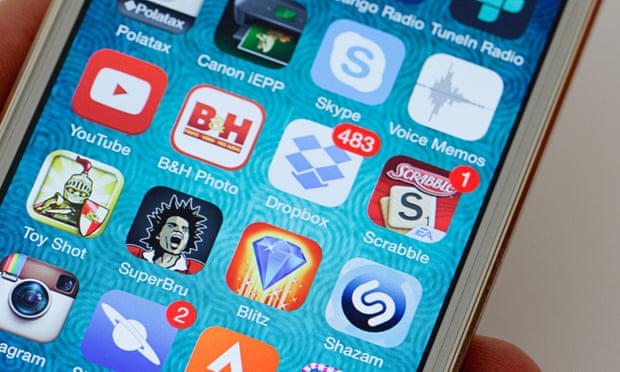
| The Dropbox data breach has highlighted the problem of password reuse. |
Information stolen in 2012 rupture, containing scrambled passwords and points of interest of around 66% of cloud company's clients, has been spilled
Mainstream distributed storage firm Dropbox has been hacked, with more than 68m clients' email locations and passwords spilling on to the web.
The assault occurred amid 2012. At the time Dropbox revealed a gathering of client's email addresses had been stolen. It didn't report that passwords had been stolen also.
The landfill of passwords became known when the database was gotten by security notice benefit Leakbase, which sent it to Motherboard.
The free security analyst and administrator of the Have I been pwned? information spill database, Troy Hunt, confirmed the information finding both his record points of interest and that of his better half.
Chase stated: "There is most likely at all that the information break contains honest to goodness Dropbox passwords, you basically can't manufacture this kind of thing."
Dropbox conveyed warnings a week ago to all clients who had not changed their passwords since 2012. The organization had around 100m clients at the time, which means the information dump speaks to more than 66% of its client accounts. At the time Dropbox rehearsed great client information security work on, encoding the passwords and seems to have been redesigning the encryption from the SHA1 standard to a more secure standard called bcrypt.
A large portion of the passwords were still encoded with SHA1 at the season of the robbery.
"The bcrypt hashing calculation ensuring [the passwords] is extremely versatile to breaking and to be perfectly honest, everything except the most exceedingly terrible conceivable secret word decisions will stay secure even with the rupture now out in people in general," said Hunt. "Unquestionably still change your secret word in case you're in any uncertainty at all and ensure you empower Dropbox's two-stage check while you're there if it's not on as of now."
The first rupture has all the earmarks of being the aftereffect of the reuse of a secret key a Dropbox representative had already utilized on LinkedIn, the expert informal community that endured a break that uncovered the watchword and enabled the programmers to enter Dropbox's corporate system. From that point they accessed the client database with passwords that were encoded and "salted" – the last a routine with regards to including an arbitrary series of characters amid encryption to make it significantly harder to decode.
Dropbox reset some of clients' passwords at the time, yet the organization has not said decisively what number of.
The hack highlights the requirement for tight security, both at the client end – the utilization of solid passwords, two-stage verification and no reuse of passwords – and for the organizations putting away client information. Indeed, even with strong encryption hones for securing clients' passwords, Dropbox fell foul of secret word reuse and section into its organization arrange.
Driving security specialists suggest the utilization of a secret word administrator to secure the scores of extraordinary and complex passwords expected to legitimately secure the different login points of interest required for day by day life. Yet, late assaults on organizations including program creator Opera, which stores and matches up client passwords, and secret key chief OneLogin, have uncovered the perils of utilizing the apparatus.
Picking the correct secret key chief is similarly as essential and utilizing one in any case.
A Dropbox representative stated: "There is no sign that Dropbox client accounts have been dishonorably gotten to. Our examination affirms that the qualifications are client email addresses with hashed and salted passwords that were acquired before mid-2012. We can affirm that the extent of the secret word reset we finished a week ago protected every single affected client."
0 comentarios: